Measuring AI Visibility: Tracking Brand Mentions in ChatGPT and Gemini
Olwen tracks where AI systems mention your brand and where competitors are winning. As of April 29, 2026, traditional SEO metrics like keyword rankings and backlink counts are no longer sufficient to measure market presence. Generative Engine Optimization (GEO) requires a shift toward quantifying brand visibility within the latent space of frontier models like GPT-5.5, Gemini 3.1 Pro, and Claude Opus 4.7.
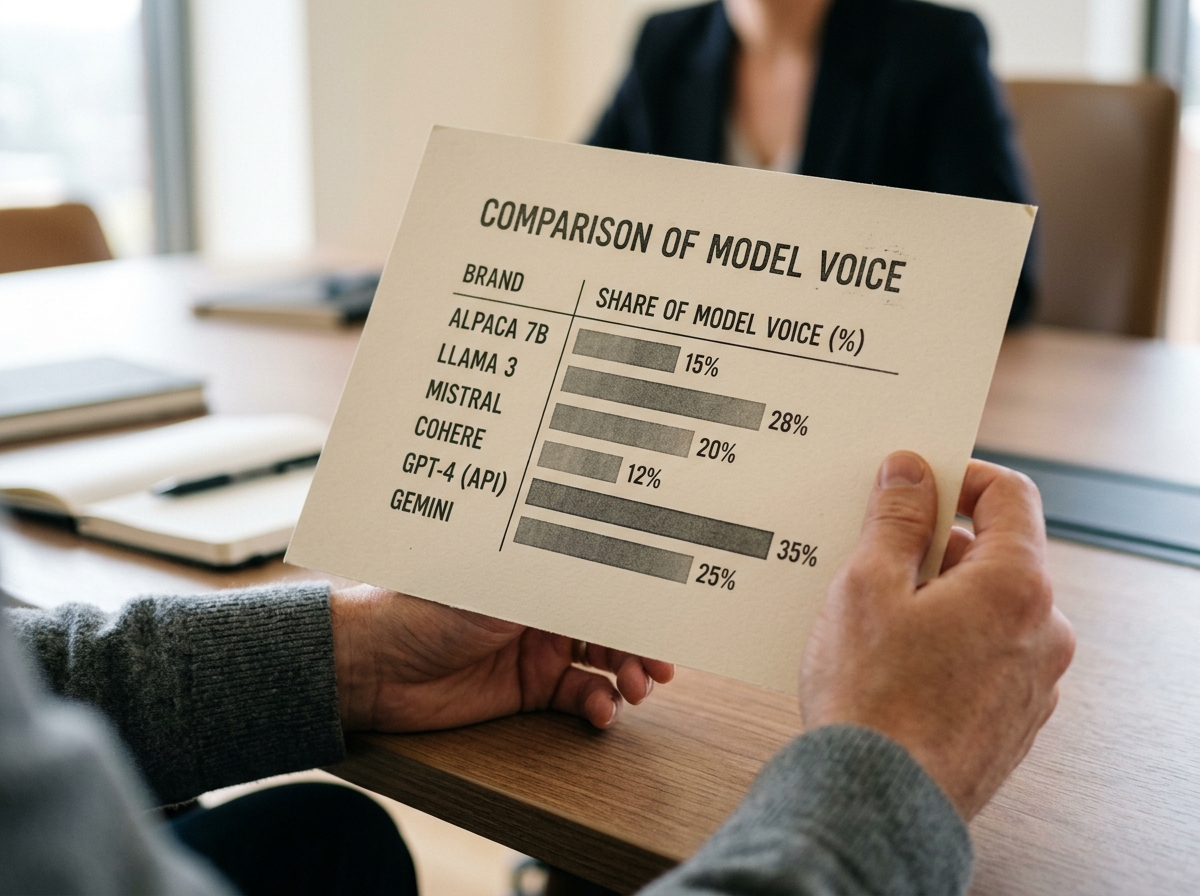
Generative engines now process over 5 billion monthly visits, with AI Overviews appearing in approximately 48% of all search queries. For founders, the immediate technical gap is the lack of a standardized reporting framework for "Share of Model Voice" (SoMV). Without this data, you are invisible to the millions of users who rely on AI for product recommendations and vendor shortlisting.
Defining Core Brand Queries
To measure visibility, you must first categorize the prompts that drive your business. Do not rely on generic keyword lists from legacy SEO tools. Instead, build a prompt library based on three distinct query types:
- Direct Brand Queries: "What does Olwen do?" or "Is Olwen better than Semrush for GEO?"
- Category Recommendations: "What are the best marketing technology tools for tracking AI visibility in 2026?"
- Problem-Solution Prompts: "How can I improve my brand's presence in ChatGPT and Gemini without hiring more staff?"
Map these queries to your product's core value propositions. For Olwen, this includes tracking brand mentions, monitoring competitor visibility, and automating website fixes. Once defined, these prompts serve as the baseline for your recurring AI visibility audits.
Systematic Prompting Across Frontier Models
As of April 29, 2026, the AI landscape is dominated by a handful of high-performing models. Your tracking must be multi-model because citation patterns vary significantly between providers. GPT-5.5 (released April 23, 2026) prioritizes structured data and recent web citations, while Gemini 3.1 Pro (released April 15, 2026) leans heavily on the Google ecosystem and verified authority signals.
Run your prompt library through the following systems weekly:
- ChatGPT (GPT-5.5): Focus on conversational recommendations and the "Canvas" editing environment for content gaps.
- Gemini 3.1 Pro: Monitor how your brand appears in Google's integrated AI surfaces and AI Overviews.
- Claude Opus 4.7: Analyze the reasoning and depth of brand descriptions, as Claude is often cited for its natural prose and editorial accuracy.
- Perplexity (Sonar Pro): Track real-time citations and the specific URLs the engine uses to verify its claims.
Quantifying Share of Model Voice (SoMV)
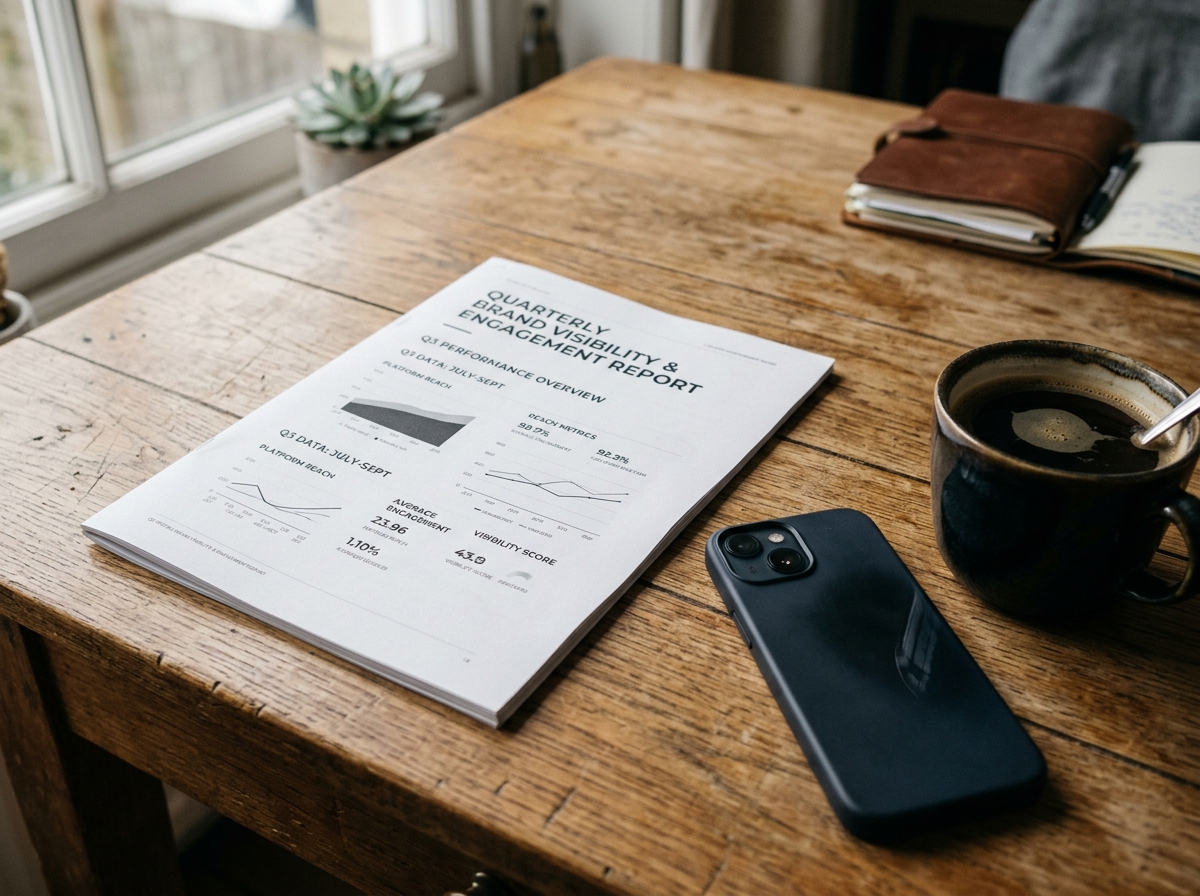
SoMV is the percentage of times your brand is mentioned or recommended in response to a specific set of category prompts compared to your competitors. To calculate this, log the following metrics for every response:
| Metric | Definition | Technical Goal |
|---|---|---|
| Citation Frequency | How often your brand or domain is cited as a source. | Increase citation count via structured data. |
| Mention Position | Your brand's rank in a list of recommendations (e.g., 1st vs. 4th). | Move to the top 3 for high-intent queries. |
| Sentiment Score | The tone the AI uses when describing your brand. | Ensure accuracy and positive framing. |
| Source Attribution | The specific URL the AI links to when mentioning you. | Direct traffic to high-converting product pages. |
Research from the Princeton GEO framework indicates that adding specific statistics and citing authoritative sources can boost visibility by up to 40%. Olwen automates this by identifying these "citation magnets" and suggesting website fixes that align with what models like GPT-5.5 are currently prioritizing.
Mapping Competitor Mentions to Content Gaps
If a competitor like Ahrefs or Semrush is consistently appearing in category recommendations where you are absent, the AI has identified a content gap in your digital footprint. Use the following workflow to reverse-engineer their success:
- Identify the Cited Source: Use Perplexity or Gemini's citation links to find the exact page the AI is referencing.
- Analyze Content Structure: Is the competitor using a specific FAQ schema, a detailed comparison table, or original research data?
- Generate Technical Fixes: Use Olwen to create AI-optimized articles or product pages that address these specific gaps.
- Update Metadata: Ensure your site's metadata and structured data are more comprehensive than the competitor's cited page.
As of 2026, 83% of AI Overview citations come from pages that do not rank in the organic top 10. This means you can win in AI search even if you are still building traditional domain authority. The key is technical specificity and data richness.
Technical Implementation: Automating the GEO Loop with Olwen
Monitoring is only the first step. To improve your SoMV, you must deploy changes to your site faster than the AI models update their training data or search indexes. Olwen eliminates the friction of manual updates by connecting directly to your repo and CMS.
Monitor -> Generate Fixes -> Publish
- Monitor: Olwen's dashboard tracks your brand mentions and competitor wins across all major AI systems.
- Generate Fixes: When a gap is identified, Olwen generates the necessary FAQ sections, schema markup, or technical content updates.
- Publish: Connect your GitHub/GitLab repo or CMS (WordPress, Contentful, etc.) to Olwen. The platform pushes these updates automatically, ensuring your site is always optimized for the latest model versions.
This automated workflow ensures that when GPT-5.5 or Gemini 3.1 Pro crawls your site, they find the structured, fact-rich content they are programmed to cite. This is not about "gaming" the system; it is about making your brand's value legible to generative engines.
Tracking AI Crawler Behavior via CDN Workflows
Traditional analytics tools like GA4 are often blind to AI crawler visits. To truly understand your AI visibility, you must track how often bots from OpenAI, Google, and Anthropic are visiting your site. Olwen uses connected CDN workflows to log these visits in real-time.
By monitoring crawler frequency, you can correlate site updates with changes in AI visibility. If a specific schema update leads to a 20% increase in citations within ChatGPT, you have a proven lever for growth. This data allows founders to treat GEO as a predictable engineering task rather than a marketing experiment.

Improving Metadata and Structured Data
Generative models rely heavily on structured data to understand the relationship between entities. If your site lacks comprehensive JSON-LD schema, you are forcing the AI to guess what your brand does. Olwen automates the creation of advanced schema types, including:
- ProductGroup and Product: For detailed e-commerce recommendations.
- Organization and Brand: To establish authority and entity relationships.
- FAQPage: To capture "People Also Ask" style queries in AI Overviews.
- Review and AggregateRating: To drive trust and sentiment scores in recommendations.
As of April 29, 2026, AI traffic converts 4.4x better than traditional organic search. The users reaching your site via an AI recommendation have already been "pre-sold" by the model's synthesized answer. Optimizing your technical foundation is the most direct path to capturing this high-intent traffic.
Connect your GitHub or GitLab repository to the Olwen dashboard to begin the automated deployment of schema and metadata fixes.